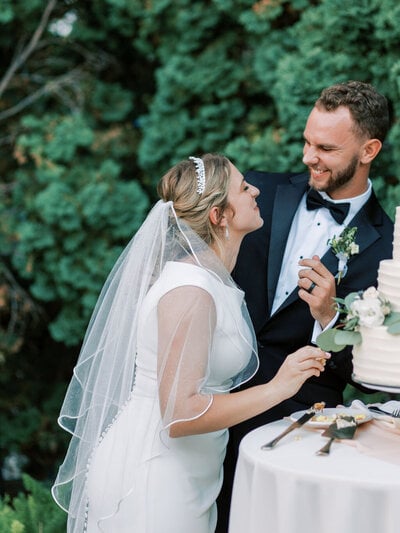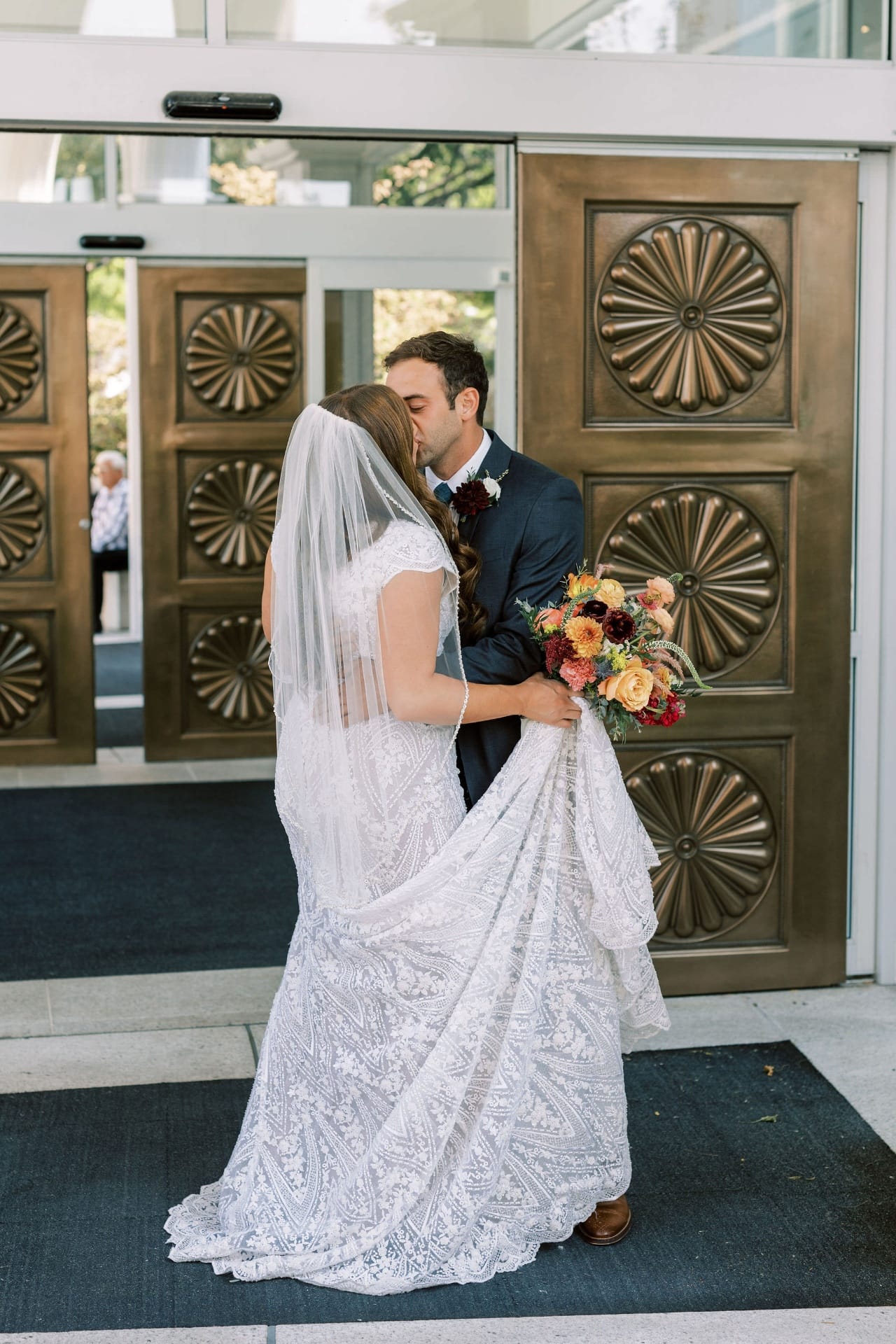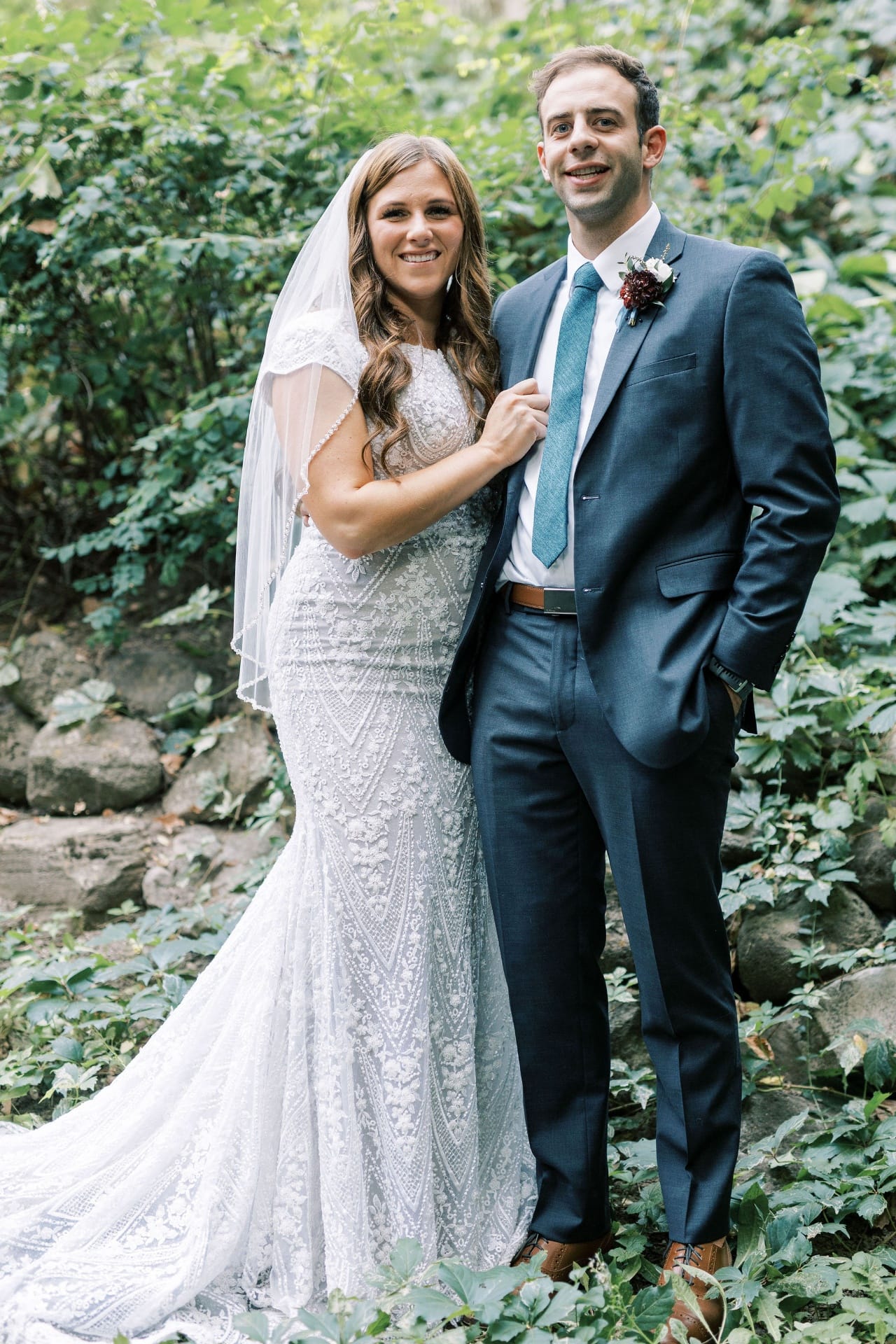
Here is the photograph an unplugged ceremony protects: you, walking down the aisle, and every face in the room turned toward you. Here is the photograph that happens otherwise: you, walking down the aisle, and a corridor of raised phones where the faces should be. After more than a decade of shooting Utah weddings, I can tell you this is not a hypothetical. It is the default, unless you decide it isn't. The good news is that deciding takes one sign, one line in the program, and two sentences from your officiant.
What phones actually do to your ceremony photos
The damage comes in three forms. The first is the blocked sightline: a guest leaning into the aisle for their own shot puts their arm, their phone, or their whole body between my lens and you at the exact moments that cannot be re-staged. The processional, the first kiss, and the recessional each happen once. The second is the lit screen. In any dim or evening ceremony, a glowing rectangle is the brightest thing in the frame, and the eye goes straight to it. The third is the quietest and the worst: faces. The photograph of your grandmother watching you marry is one of the best things I can make for you, and I cannot make it if her face is behind a device.
None of this is about guests behaving badly. People photograph what they love; that is the whole instinct. An unplugged ceremony does not fight that instinct, it just postpones it twenty minutes, and in exchange your guests give you the thing no phone can: their undivided attention, visible in every frame.
You hired a photographer so your people wouldn't have to be one. Let them be guests for twenty minutes.
Ceremony only. Leave the reception plugged in.
Our advice is to unplug the ceremony and nothing else. The ceremony is short, formal, and unrepeatable, which is exactly the situation where phones cost the most and contribute the least. The reception is the opposite: long, loose, and full of moments happening in every direction at once. Guest phones at a reception are harmless and occasionally wonderful, and asking people to stay off their phones for a whole evening turns a kindness into a rule nobody can keep. Ask for twenty minutes, get them fully, and hand the phones back with dinner.
How to ask kindly
The tone to aim for is an invitation, not a prohibition. You are not confiscating anything; you are telling guests what you would love from them. Say it three times in three places, gently, and compliance takes care of itself.
- A sign at the ceremony entrance, where every guest will pass it. Something like: 'Welcome to our unplugged ceremony. Please tuck away phones and cameras until we're married. We promise to share the photos.'
- A line in the program or on the wedding website, so nobody is surprised: 'Our ceremony is unplugged. We've hired a wonderful photographer so you can simply be with us.'
- The officiant announcement, right before the processional. This is the one that actually works, because it reaches every person in the room thirty seconds before it matters.
The promise to share photos is the load-bearing sentence. Most guests raise a phone out of fear that the moment will otherwise be lost to them. Tell them plainly that the photos are coming and the fear, and the phone, go away.
Officiant wording you can copy
Hand your officiant one of these and you are done. The warm version: 'Before we begin, the couple has one request. They've hired a professional to photograph this ceremony, so they invite you to put away your phones and cameras, be fully here with them, and let yourselves be in the photos instead of behind them. They'll happily share the pictures afterward.' The shorter, lighter version: 'The couple asks that you silence your phones and tuck them away for the ceremony. The only flash they want to see is the smile on your faces.' Either one takes fifteen seconds, gets a small laugh, and gets every screen down.
If you'd rather not unplug
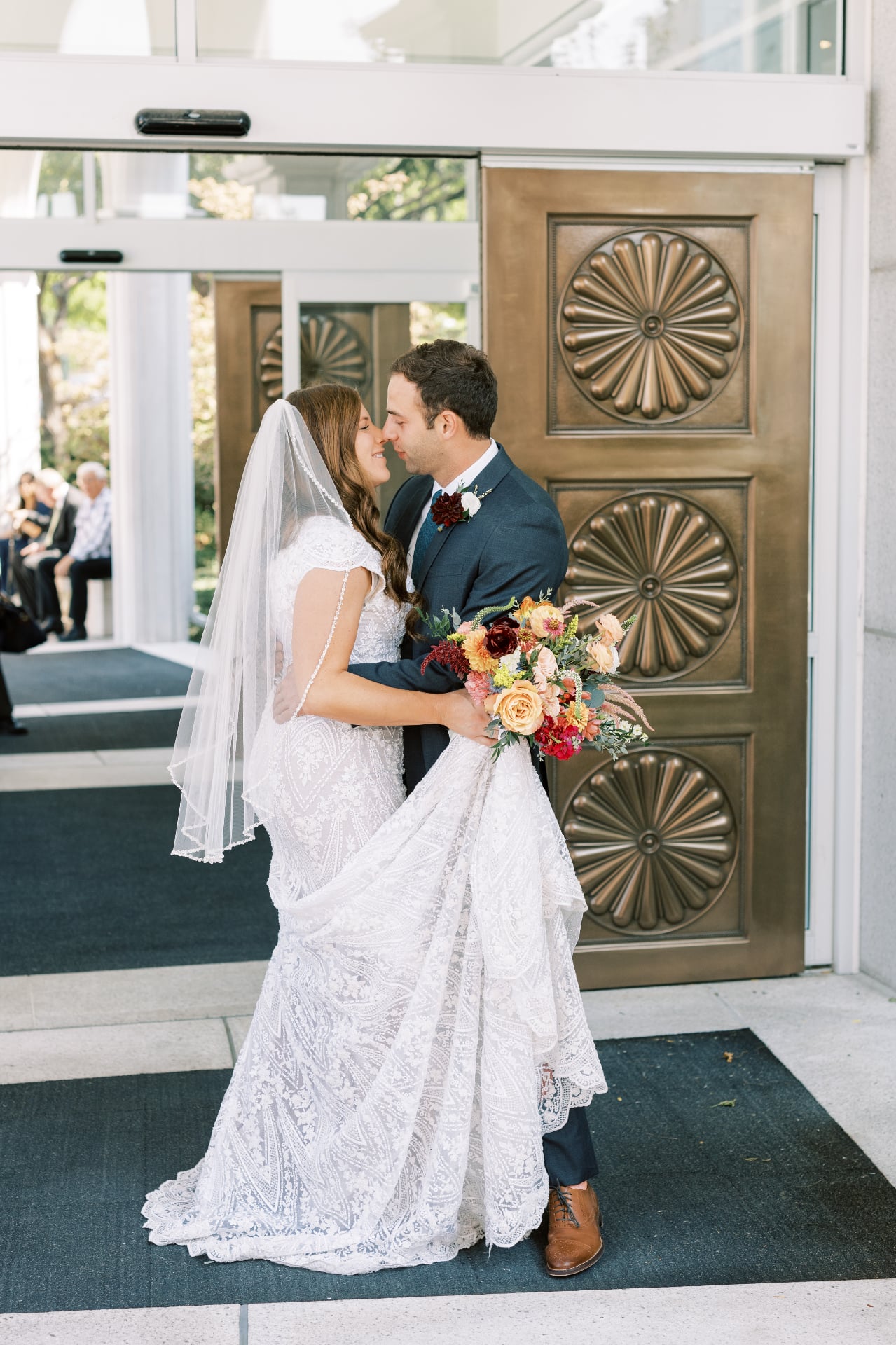
Some couples want guests to shoot freely, and that is a legitimate choice; they are your people and it is your day. If that's you, two small requests still protect your gallery: ask guests to stay out of the aisle, and ask them to keep flashes off. A guest flash firing during a dim ceremony can cut through the exact moment of the kiss, and it's the one piece of guest photography I genuinely cannot edit around. Your officiant can make both asks in one sentence without the word 'unplugged' ever appearing.
If you're planning a ceremony and weighing this, bring it up in your consult. We'll look at your venue, your ceremony time, and your room, and tell you honestly how much an unplugged ask would protect, and exactly where I'd stand either way.